Introduction
There’s something about watching medieval stories that makes you think about protection in different contexts. I was settling in to watch a knight of the seven kingdoms episode 3 when it struck me how much thought went into armor and protection in those times. The characters spent considerable effort ensuring they were properly covered and protected for battle, which got me thinking about modern-day protection during my own activities. I’ve always been someone who enjoys water sports, but I’ll admit I haven’t always given much thought to proper gear beyond the basics. The episode’s themes about preparation and protection lingered in my mind throughout the viewing, creating an unexpected connection to my upcoming beach trip.
I didn’t realize at the time that this would be so important, but that evening sparked a different perspective on how I approach my time in the water. The narrative of knights carefully selecting their armor resonated with me in a way I hadn’t anticipated. It made me consider whether I was taking my own protection seriously enough during surfing sessions and swimming workouts. This wasn’t about dramatic battles or heroic quests, but about the simple, practical wisdom of being properly equipped for whatever activity you’re engaging in. The connection between fictional armor and real-world swimwear might seem distant, but the underlying principle of functional protection felt surprisingly relevant.
Real-life Context
My relationship with water activities began years ago during family vacations to coastal towns. I remember the excitement of learnng to surf, the frustration of wipedouts, and the gradual improvement that comes with consistent practice. Over time, surfing became more than just a hobby—it became a form of meditation, a way to connect with nature, and a reliable source of exercise. I typically surf early in the morning when the water is calm and the sun isn’t too intense, though longer sessions often extend into brighter hours. The same goes for swimming laps at the beach or occasional paddleboarding excursions with friends.
For years, my approach to swimwear was straightforward: boardshorts and whatever shirt seemed comfortable. I’d experienced the typical sunburns that come with extended water exposure, the chafing from saltwater-soaked fabric, and the general discomfort of wet clothing that doesn’t dry properly. These were minor inconveniences I accepted as part of the water sports experience. My gear selection was often based on style rather than function, prioritizing how things looked over how they performed. This approach worked well enough for short sessions, but longer days in the water revealed the limitations of my casual attitude toward protection.
The turning point came during a particularly long surfing session last summer. I’d been in the water for nearly three hours, caught up in the perfect waves and clear conditions. When I finally came ashore, my shoulders and back had developed a noticeable redness despite the overcast sky. The experience made me reconsider my preparation, especially since I’d been planning a week-long beach vacation with multiple water activities each day. I started paying more attention to what experienced surfers and swimmers were wearing, noticing patterns in their gear choices that differed from my own. This observation period coincided with watching that episode about knights and their armor, creating a perfect storm of reconsideration about protection.
Observation
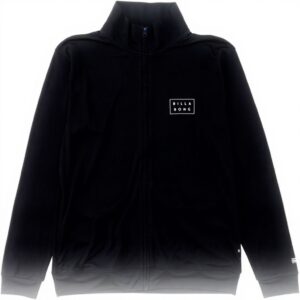
What I began noticing at my local beach was how many serious water sports enthusiasts wore long-sleeved tops rather than going shirtless or wearing regular t-shirts. These garments seemed designed specifically for water use, with features that addressed common issues I’d experienced. The fabric appeared thinner and more flexible than typical clothing, moving with the body rather than restricting motion. I saw surfers effortlessly pulling these tops on and off between sessions, the zip-through design making the process quick and straightforward. The stand collar design was particularly noticeable, providing coverage that regular shirts couldn’t match.
During my own testing period with different swimwear options, the practical differences became increasingly apparent. The quick-drying properties meant I wasn’t sitting in damp, heavy fabric between water sessions. The sun protection became invaluable during midday activities when UV exposure is strongest. I found myself spending more time in the water comfortably, without worrying about sunburn or discomfort from wet fabric rubbing against skin. The zip-through closure system proved especially useful when transitioning between land and water activities, allowing for easy adjustment without fully removing the garment.
The material itself felt different from regular clothing—lighter yet more substantial in its protective qualities. It maintained its shape and function even after repeated exposure to saltwater and sun. I observed how the fabric handled movement during paddling and swimming, stretching where needed while maintaining coverage. The sizing options allowed for a secure fit that stayed in place during active movement, unlike loose-fitting t-shirts that tend to ride up or become cumbersome when wet. These observations accumulated over several weeks of regular use across different water conditions.
Color choices also played a role in practical considerations beyond mere aesthetics. The darker options seemed to maintain their appearance better over time, while lighter colors reflected more sunlight. This wasn’t about fashion so much as understanding how different colors performed in actual use conditions. The availability of multiple size options meant finding a proper fit wasn’t difficult, which contributed significantly to overall comfort during extended wear. Each of these observations built upon the last, creating a comprehensive picture of how specialized swimwear differs from regular clothing in water environments.
Reflection
Looking back at my earlier approach to water activities, I realize how much I underestimated the importance of proper gear. The connection I made while watching that episode about knights wasn’t as far-fetched as it initially seemed. Both contexts involve understanding the environment you’re entering and preparing accordingly. For knights, that meant armor suited to battlefield conditions. For water sports, it means clothing designed for aquatic environments. The principle remains the same: appropriate protection enhances performance and safety.
I’ve come to appreciate how thoughtful design elements address specific challenges of water activities. The zip-through closure isn’t just a stylistic choice—it’s a practical solution for easy wearing and removal, especially when you’re tired after hours in the water. The stand collar provides neck protection that I hadn’t realized I needed until I experienced its benefits. These features represent years of refinement based on real user experiences rather than theoretical design concepts. They solve problems I didn’t even know I had until I encountered the solutions.
The shift in my thinking extends beyond just swimwear to how I approach gear selection generally. I’m more attentive to how items will perform in specific conditions rather than how they look in isolation. This doesn’t mean abandoning style considerations, but rather understanding that function and form can coexist when properly designed. The balance between protection and mobility, between coverage and comfort, requires careful consideration that I previously overlooked. My earlier dismissive attitude toward specialized gear seems shortsighted in retrospect.
This reflection has changed how I prepare for water activities generally. I think more about duration, conditions, and potential challenges before selecting what to wear. The automatic reach for familiar but inadequate options has been replaced by more deliberate choices based on actual needs. This mindset shift has improved my overall experience, making water activities more enjoyable and sustainable long-term. The initial spark from watching fictional protection strategies evolved into practical changes in my real-world approach to preparation and gear selection.
Conclusion
The journey from casual observation to practical application has been more meaningful than I anticipated. What began as a simple connection between medieval armor and modern swimwear developed into a deeper understanding of functional design. The principles of protection, comfort, and practicality transcend time periods and activities, remaining relevant whether you’re heading into battle or into the water. This perspective has enriched my approach to water sports, making me more thoughtful about preparation and gear selection.
My experiences have reinforced that specialized equipment exists for good reasons, developed through understanding specific environmental challenges and user needs. The features I initially noticed as different or unusual proved to be carefully considered responses to common issues in water activities. This understanding has made me more appreciative of thoughtful design across various aspects of life, not just swimwear. The attention to detail in creating garments that address sun protection, quick drying, secure fit, and easy use represents a level of consideration I now value highly.
Moving forward, I’ll continue approaching gear selection with this more informed perspective, considering not just immediate appearance but long-term function and comfort. The lessons about protection—whether from medieval stories or modern swimwear—remain applicable to many aspects of life where preparation meets performance. This ongoing process of observation, experience, and reflection has become part of how I engage with activities I care about, creating a more thoughtful and enjoyable relationship with the water and the gear that makes those experiences better.