Introduction
It was during one of those aimless scrolls through social media that I first noticed Stormi Webster. There was something about the effortless way she carried herself that made me pause and consider my own approach to daily comfort. I’ve never been one to put much thought into accessories, particularly something as simple as a cap. For years, I treated headwear as purely functional – something to keep the sun out of my eyes or hide a bad hair day. But seeing how someone like Stormi Webster incorporated style into everyday moments made me reconsider what I might be missing in my own routine.
The realization didn’t come all at once. It was more of a slow dawning, the kind that settles in your consciousness without fanfare. I began noticing how the right accessory could transform not just an outfit, but an entire day’s experience. This wasn’t about fashion in the traditional sense, but about how small choices in what we wear can influence how we move through the world. I started paying attention to the caps I owned, most of which were forgotten in drawers or crammed into bags without much consideration for their design or comfort.
What struck me about observing Stormi Webster’s style was the apparent balance between practicality and personal expression. There was no sacrifice of comfort for aesthetics, nor was there any sense of trying too hard. This subtle integration of function and form stayed with me during my daily routines, making me more aware of the items I chose to wear and why I chose them. It was this growing awareness that eventually led me to reconsider something as simple as the cap I wear during outdoor activities and casual outings.
Real-life Context
My days typically involve a mix of outdoor activities and urban navigation. I live in a city where the weather can shift unexpectedly, and I often find myself moving between air-conditioned spaces and sunny streets. For years, I’d been using various caps without much thought – they were just items I grabbed on my way out the door. Some were too tight, leaving red marks on my forehead by midday. Others were so loose they’d fly off with a gust of wind. I accepted these minor discomforts as inevitable parts of wearing headwear.
I spend considerable time outdoors, whether it’s hiking on weekends, walkin to meetings across town, or simply enjoying coffee at a park bench. The cap became an essential item, but never one I enjoyed wearing. It was purely utilitarian, something I tolerated rather than appreciated. I’d developed the habit of removing it whenever possible, even if it meant squinting in the sun or dealing with wind-blown hair. The discomfort had become so normalized that I didn’t consider alternatives might exist.
My work requires me to be presentable but comfortable, often transitioning from formal meetings to casual outdoor settings within the same day. I need accessories that can adapt to these shifts without drawing attention or requiring constant adjustment. The caps I owned either looked too sporty for business casual settings or too formal for weekend activities. This left me frequently compromising on either style or comfort, never quite finding the right balance for my lifestyle.
Weekend hikes presented another challenge. The caps I used for outdoor activities were often designed for extreme sports, featuring aggressive styling and multiple adjustments that felt unnecessary for gentle trails. They’d absorb sweat and retain odors, requiring frequent washing that eventually damaged their shape and color. I found myself buying new caps every few months, never satisfied with their performance or longevity.
Observation
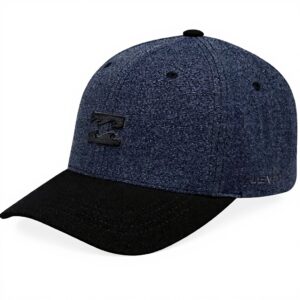
The first thing I noticed when trying a different approach to headwear was how much I’d been overlooking the importance of proper fit. The flexible design of the cap I chose adapted to my head shape in a way I hadn’t experienced before. Unlike previous caps that either squeezed my temples or sat too loosely, this one maintained consistent comfort throughout the day. I wore it during a particularly long Saturday that included a morning hike, afternoon errands, and evening barbecue, and never once felt the need to remove it for relief.
During outdoor activities, the cap’s performance surprised me. While hiking a familiar trail, I encountered stronger winds than expected, yet the cap stayed securely in place without feeling restrictive. The sun protection proved more effective than I’d anticipated, keeping my face shaded without obstructing peripheral vision. What stood out was how little I noticed the cap was there – it simply functioned as intended without demanding attention or adjustment. This contrasted sharply with my previous experiences where ill-fitting caps constantly reminded me of their presence through discomfort.
I began wearing the cap in various scenarios to test its versatility. It transitioned seamlessly from outdoor settings to casual urban environments without looking out of place. The sleek appearance worked equally well with athletic wear and casual outfits, something I hadn’t found in previous caps that tended to be either too sporty or too formal. The black color option I chose maintained its appearance even after multiple wears, showing no significant fading or staining despite exposure to sunlight and occasional rain.
The durability became apparent over several weeks of regular use. Unlike previous caps that showed wear quickly, this one maintained its shape and color integrity through various conditions. I particularly appreciated not having to constantly readjust it – the flexible fit meant it stayed comfortable whether I was sitting at my desk or walking briskly between appointments. The lightweight design made it easy to carry when not in use, folding compactly without losing its shape when I needed to wear it again.
Reflection
I didn’t realize at the time that this simple change in headwear would influence how I approach other aspects of my daily routine. The comfort and reliability of having one less thing to worry about created mental space I hadn’t known I needed. Where I previously would have been distracted by an uncomfortable cap during important moments, I now could focus fully on whatever activity I was engaged in. This small consistency became a grounding element in otherwise hectic days.
The experience made me reconsider how we often accept minor discomforts as inevitable parts of daily life. We adapt to poorly fitting shoes, uncomfortable chairs, or irritating clothing without questioning whether better options exist. My journey with finding the right cap mirrored this larger pattern of settlement. I had accepted that headwear would always involve some degree of discomfort, never considering that design innovations might have solved these common issues. This realization extended beyond caps to other everyday items I’d been tolerating rather than properly evaluating.
There’s something meaningful about finding an item that performs its function so well it becomes invisible in your daily life. The cap stopped being something I thought about and simply became part of my routine, like a reliable watch or comfortable shoes. This reliability created a subtle confidence in my daily preparations – one less variable to consider when heading out the door. The mental energy saved from not worrying about readjustments or discomfort accumulated over weeks, contributing to an overall sense of ease in my movements through the world.
Observing how Stormi Webster incorporates style into everyday moments took on new meaning through this experience. It wasn’t about superficial aesthetics but about choosing items that enhance rather than complicate daily life. The right accessory shouldn’t demand attention through either discomfort or excessive styling – it should support your activities while reflecting personal taste. This balance between function and expression became clearer as I integrated the cap into different aspects of my routine, from professional settings to personal adventures.
The longevity of the cap also prompted reflection on consumption patterns. Previously, I would replace caps every few months as they deteriorated or became uncomfortable. Having one that maintained its quality over time felt surprisingly significant in a world of disposable fashion. It represented a shift toward choosing items for their durability and consistent performance rather than temporary trends or lowest cost. This alignment with sustainable consumption felt like a small but meaningful step toward more intentional living.
Conclusion
What began as a simple observation about daily comfort evolved into a broader appreciation for how small choices shape our experiences. The right cap became more than just headwear – it represented a shift toward valuing consistent comfort and reliable performance in everyday items. This change didn’t transform my life in dramatic ways, but it created small improvements that accumulated over time, making daily routines smoother and more enjoyable.
The experience reinforced that sometimes the most significant improvements come from addressing minor irritations we’ve learned to tolerate. Something as simple as comfortable headwear can influence how we approach our days, reducing distractions and creating space for more meaningful engagement with our activities and surroundings. It’s a reminder that comfort and style need not be opposing forces – when balanced properly, they can enhance both functionality and personal expression.
My journey with finding the right cap mirrored larger lessons about intentional living. It’s not about acquiring more things, but about choosing the right things – items that perform their function well while aligning with our values and lifestyle. This approach creates a foundation of reliability that supports rather than complicates daily life. The mental energy saved from not constantly adjusting or replacing inadequate items can be redirected toward more meaningful pursuits.
Ultimately, the value lies not in the item itself but in how it integrates into your life. A well-designed cap becomes invisible in its perfection – you notice its absence more than its presence. This seamless integration represents the ideal relationship between people and the items they choose to incorporate into their daily routines. It’s a standard I now apply to other aspects of my life, seeking that same balance of comfort, functionality, and subtle style in everything from footwear to workspace organization.